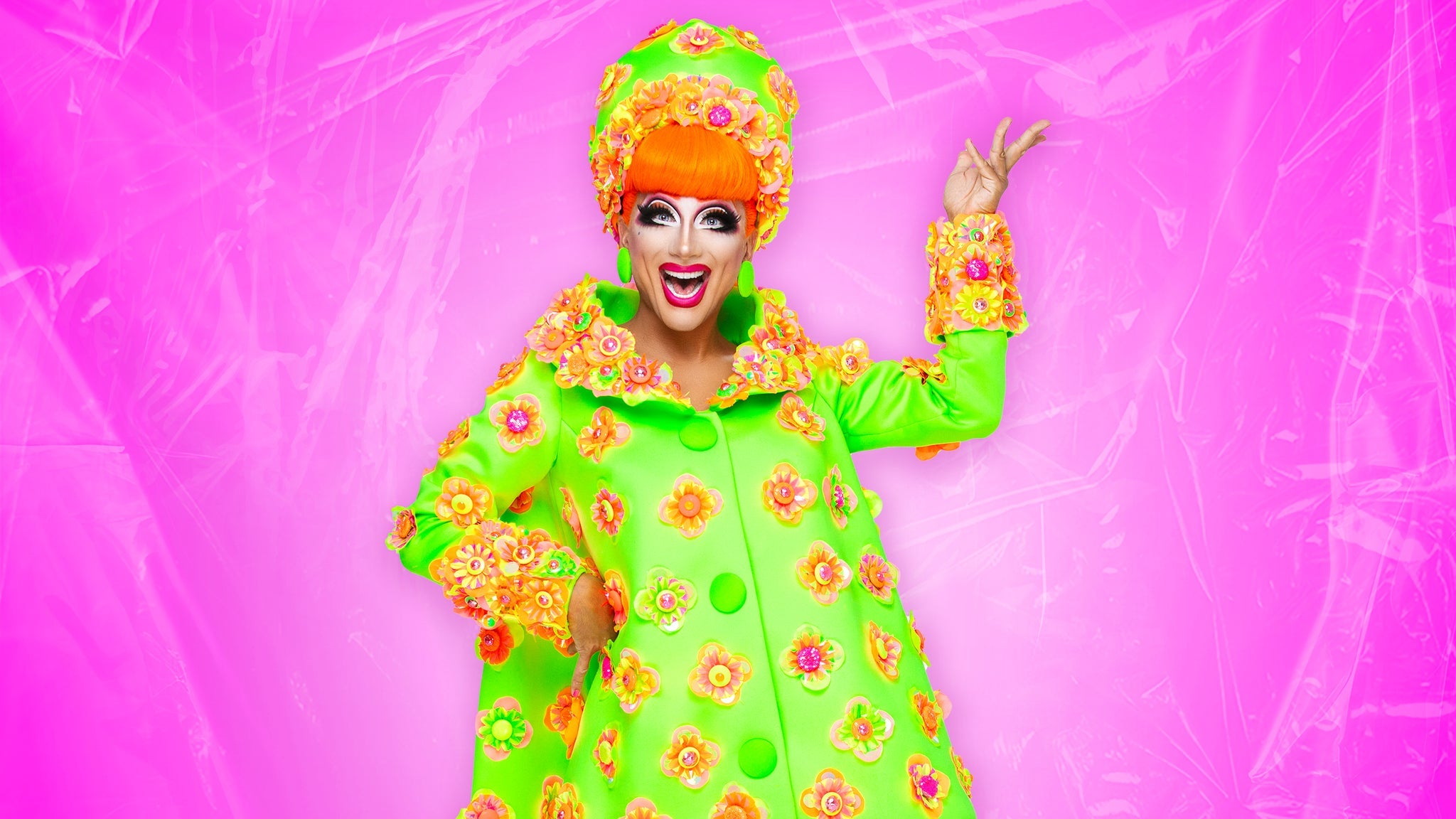
Pride | [s2e16]
In the sixteenth episode of S.W.A.T. Season 2, titled "," the narrative weaves together the high-stakes pressure of public safety with the intimate, often agonizing struggles of personal life. The episode serves as a powerful exploration of what happens when a hero's public duty clashes with their private desperation, centered largely on the character of Deacon Kay. The Conflict of Private Desperation
While the team handles the external threat of a potential "lone wolf" attacker targeting the parade, the internal tension remains the primary driver of the episode's impact. The narrative suggests that the "armor" these officers wear—both literal and figurative—can become a cage. Deacon's eventual turn to Mickey signifies a breaking point where the "pride" of being a provider outweighs the "pride" of moral purity. It marks a significant turning point for his character, moving him away from his traditionally "straight-arrow" persona and into a more morally complex space. Conclusion [S2E16] Pride
Other series with a titled or themed around " Pride " include: In the sixteenth episode of S
S2E16 "Pride" is a standout episode because it refuses to give its characters easy outs. It demonstrates that the most dangerous threats aren't always found on the streets; sometimes, they are found in the quiet moments of financial ruin and the impossible choices made for love of family. By the end of the hour, the "pride" celebrated in the streets serves as a poignant backdrop to the pride that has been fractured within the team. The Conflict of Private Desperation While the team
: Some academic analyses label the 16th chapter/segment of "Volume 2" as a study of Lydia Bennet's "prideful" and foolish character. W.A.T. episode? Mickey | S.W.A.T. Wiki | Fandom
The emotional core of the episode revolves around Deacon, whose newborn daughter requires urgent, life-saving surgery. This plotline highlights a harsh reality: even those who dedicate their lives to protecting the community are not immune to the crushing weight of systemic failures, such as mounting medical bills and the cold bureaucracy of banking institutions. When the bank denies his loan, Deacon is forced into a moral "pride" trap. He must decide whether to maintain his self-reliance or seek help from a source that compromises his principles—his old, troubled acquaintance, Mickey. Themes of Identity and Vulnerability