
0%
Filled with laugh-out-loud hilarious text and cartoons, the Diary of a Wimpy Kid series follows Greg Heffley as he records the daily trials and triumphs of friendship, family life and middle school where undersized weaklings have to share the hallways with kids who are taller, meaner and already shaving! On top of all that, Greg must be careful to avoid the dreaded CHEESE TOUCH!
The first book in the series was published in 2007 and became instantly popular for its relatable humor. Today, more than 300 million copies have been sold around the world!
: The title refers to a piece of music (the "Titanic Vals") played at a funeral, symbolizing the superficiality of the family's social aspirations.
The narrative centers on , a modest clerk in a provincial town who unexpectedly inherits a massive fortune. His family—driven by greed and social pretension—immediately attempts to propel him into a political career he neither wants nor understands. Key Themes and Elements
The play by Tudor Mușatescu is a cornerstone of Romanian dramatic comedy, premiered in 1932. It masterfully explores the intersection of provincial morality and the corrupting influence of sudden wealth and political ambition. The Core Conflict: Integrity vs. Ambition
: Unlike the typical "Caragiale-style" characters who are often equally corrupt, Spirache remains a "model ideal"—an honest man who resists the absurdity of the world around him. Critical Legacy
: The play famously features Spirache’s campaign slogan, "Fraților, nu mă votați!" ("Brothers, do not vote for me!"), a parody of the typical empty promises of politicians.
"Titanic Vals" is praised for its and its ability to critique social reality without the harshness of pure cynicism. It has remained a staple of the Romanian theatrical repertoire, often used to contrast the "pure" ethics of the past with contemporary political "populism".
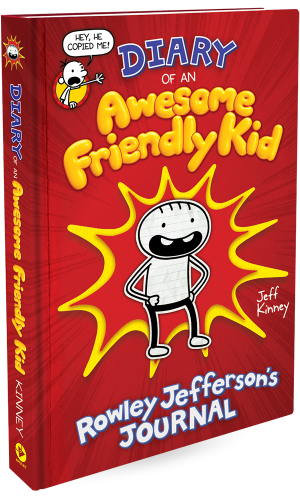
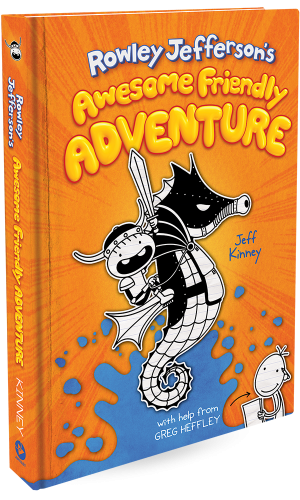
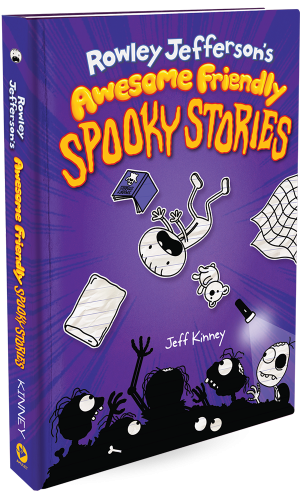
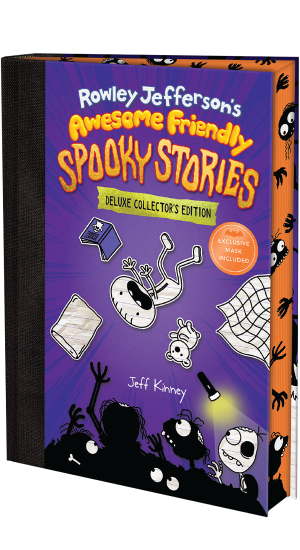
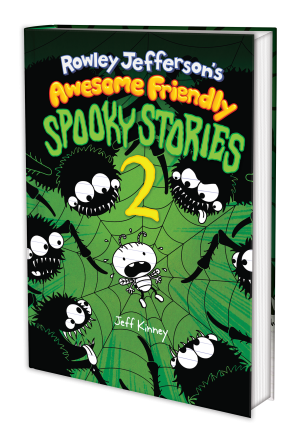
Get ready to see the Wimpy Kid world in a whole new way! Written and illustrated from the hilarious imagination of Greg Heffley’s best friend, Rowley Jefferson, the Awesome Friendly Kid series is filled with new adventures and vibrant stories that will have readers in stitches!
Click or scroll
through the books
TITANIC VALS
: The title refers to a piece of music (the "Titanic Vals") played at a funeral, symbolizing the superficiality of the family's social aspirations.
The narrative centers on , a modest clerk in a provincial town who unexpectedly inherits a massive fortune. His family—driven by greed and social pretension—immediately attempts to propel him into a political career he neither wants nor understands. Key Themes and Elements
The play by Tudor Mușatescu is a cornerstone of Romanian dramatic comedy, premiered in 1932. It masterfully explores the intersection of provincial morality and the corrupting influence of sudden wealth and political ambition. The Core Conflict: Integrity vs. Ambition
: Unlike the typical "Caragiale-style" characters who are often equally corrupt, Spirache remains a "model ideal"—an honest man who resists the absurdity of the world around him. Critical Legacy
: The play famously features Spirache’s campaign slogan, "Fraților, nu mă votați!" ("Brothers, do not vote for me!"), a parody of the typical empty promises of politicians.
"Titanic Vals" is praised for its and its ability to critique social reality without the harshness of pure cynicism. It has remained a staple of the Romanian theatrical repertoire, often used to contrast the "pure" ethics of the past with contemporary political "populism".