
MegaMotion
€
49

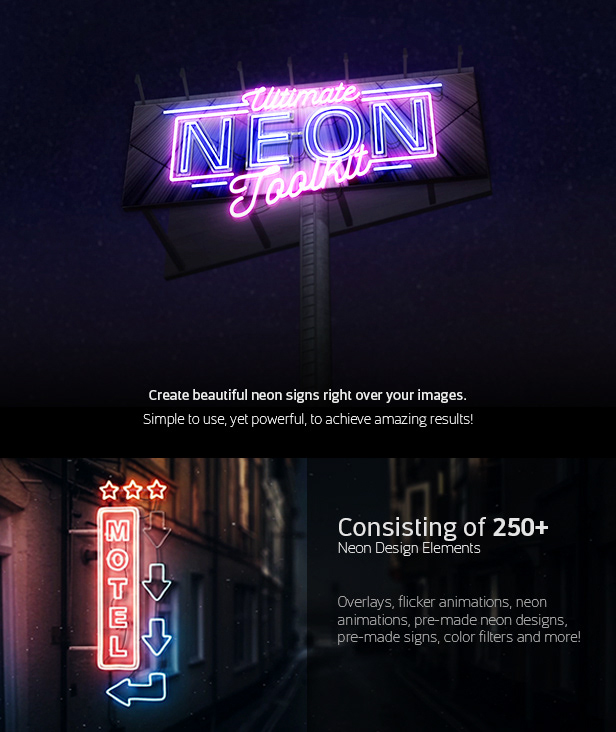
The Ultimate Neon Sign Toolkit has it all. Simple to use, yet powerful, to achieve amazing results! It will convert your photos into 3D scenes, and place neon lights into a 3D environment.
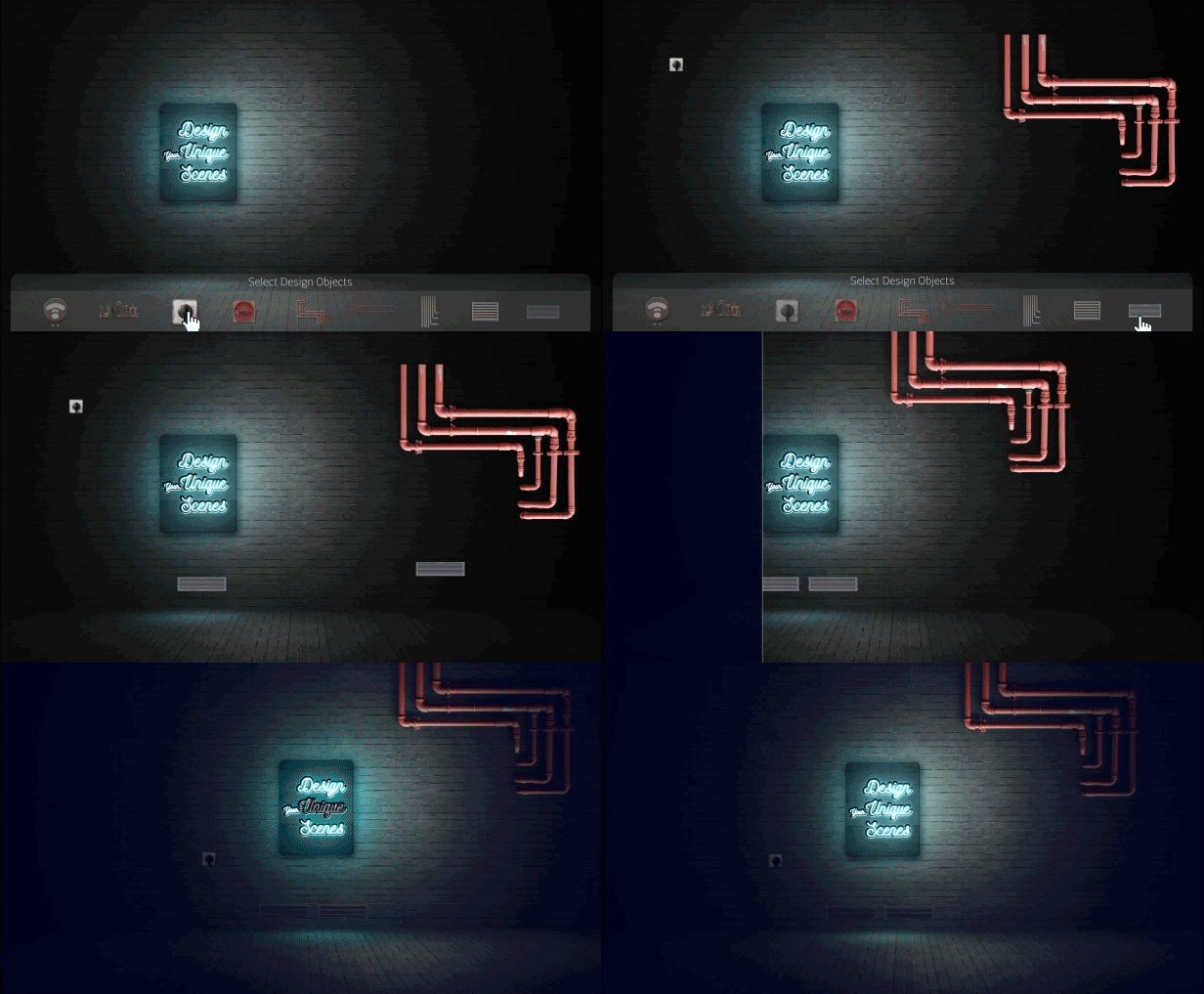
With over 100 Scenes, the possibilities are endless!

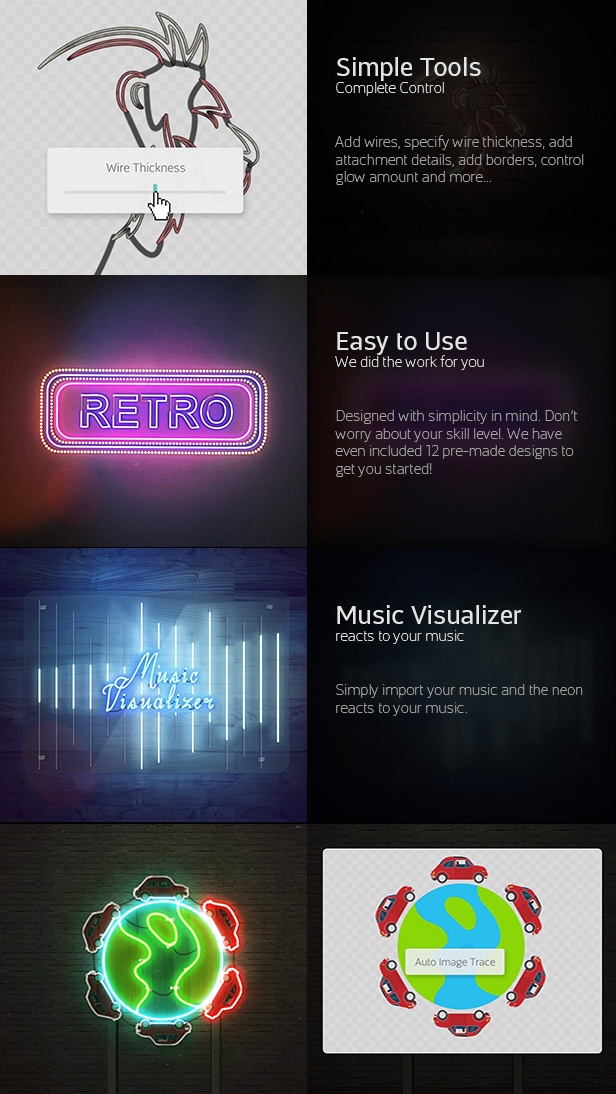
Complete Control over Every Scene!


Because "X y" is a broad placeholder used in various professional and academic contexts, I have prepared a breakdown of how to handle it based on the most likely scenarios: quantifying professional impact (Resume X-Y-Z), preparing for behavioral interviews (X-Y Relationship), or data analysis (X-Y Scatter Plots). 1. The Google X-Y-Z Formula (Resumes)
"Increased user engagement by 15% (X) as measured by daily active users (Y) by implementing a personalized notification system (Z)." 2. Behavioral Interview Responses (The STAR Method)
A trend line is often added to the write-up to show the correlation (positive, negative, or none) between the two variables. 5. Academic "Why This School" Essays Because "X y" is a broad placeholder used
For technical reporting, an X-Y Scatter Chart is used to investigate the relationship between two sets of values: Represents the independent variable. Y-Axis: Represents the dependent variable.
Recruiters, particularly at Google , recommend this formula to make resume bullets more impactful: Accomplished [X]... (the result). Y: ...as measured by [Y]... (the metric). Z: ...by doing [Z] (the specific action). Behavioral Interview Responses (The STAR Method) A trend
If an employee receives X number of write-ups in Y number of months, they may face termination.
In job interviews, "X y" often refers to demonstrating your background in specific skill sets or how you handled a situation. Experts suggest using the STAR method to structure these answers: Y-Axis: Represents the dependent variable
A common phrasing for career goals is: "I am looking for the opportunity to get involved in 'X and Y' which directly links to my previous role where I handled 'Y and Z'". 3. Professional Disciplinary Write-ups
